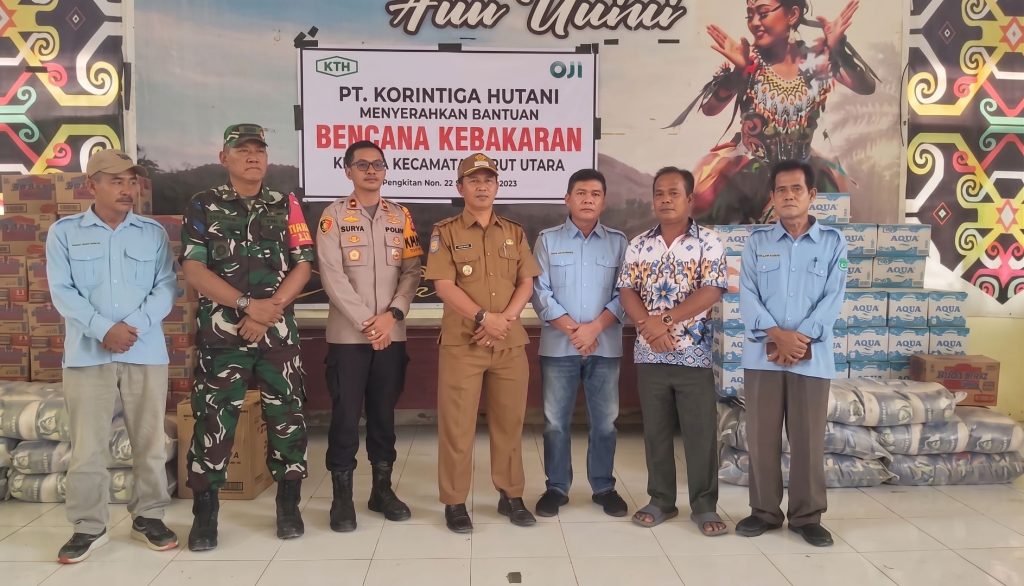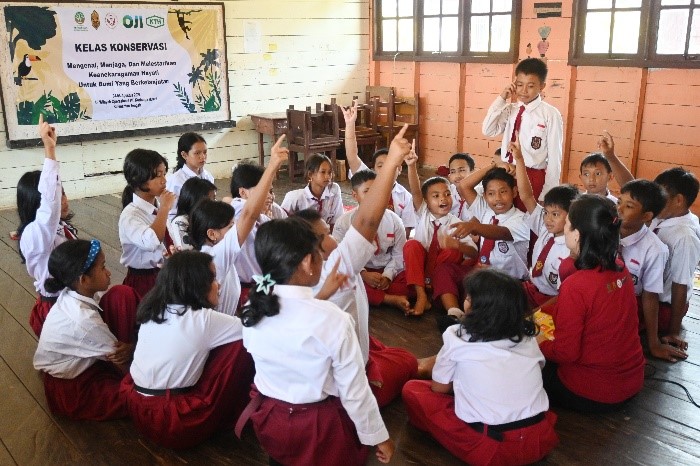
Involving elementary school children from four villages in Lamandau Regency — Panahan, Pandau, Topalan, and Lubuk Hiju — the class was designed to be fun and interactive. Participants could learn about conservation through games, stories, films, and creative activities.
A total of 100 children took part in the event aimed at raising early awareness of environment and biodiversity protection.
“Conservation Class is a way for us to honor National Nature Conservation Day (Hari Konservasi Alam Nasional) that takes place every August 10. It brings a fun learning atmosphere and instills conservation values in the younger generation,” said Dinie Vevironica, supervisor of KTH’s Environmental Department.
The activity began with ice-breaking games to build enthusiasm and set the atmosphere. Students were also given pre- and post-tests to assess their understanding before and after the class. The post-test was especially crucial, as it gauged the extent to which the audience understood the conservation messages.
One of the Class’ engaging segments was a screening of the film “Orangutan Utan Borneo”. Participants were introduced to orangutans, their role in the forest ecosystem, as well as the importance of safeguarding this state-protected species.
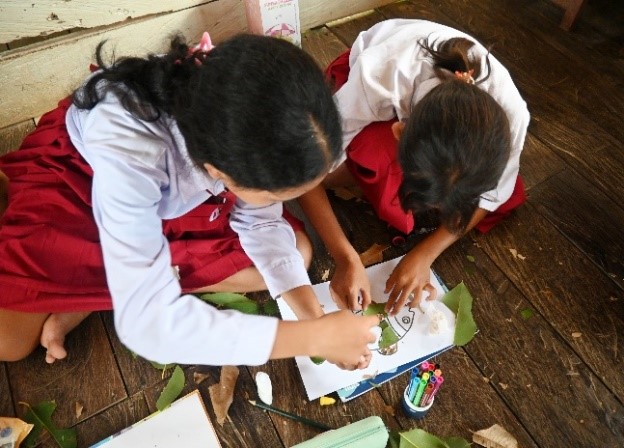
There was also a storytelling session featuring a book titled “Climate Change.” Students later honed their creativity through activities such as collaging leaves, as well as drawing and coloring handheld fans. These activities offered the opportunity to express their creativity and create environment-themed works.
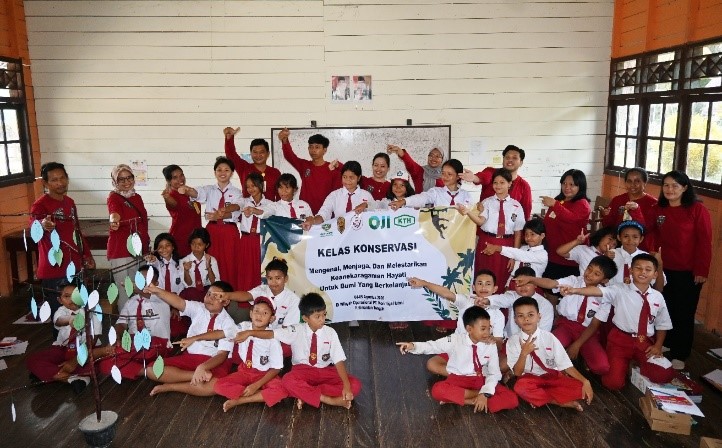
The day concluded with “Tree of Hope”, in which each participant wrote a message, commitment, or hope about wildlife conservation on a leaf-shaped piece of paper and hung it on a miniature tree. Simple yet meaningful, this session symbolized hope that environmental awareness will grow through the younger generation.
“Conservation Class” is part of a broader effort to push the notion that protecting biodiversity is not only a responsibility of today, but also an investment for the future. Familiarity with nature breeds affection for it, and this drives protection efforts. (PR)