Sustainable Forest Management for Flood Prevention
Korintiga Hutani (KTH) is committed to responsible plantation management that not only ensures sustainable wood production but also protects surrounding ecosystems and local communities from environmental risks such as flooding and soil erosion.
Recognizing that plantation activities can influence hydrological systems, KTH has implemented a series of integrated forest management practices aimed at reducing surface runoff, improving soil infiltration, and minimizing sediment discharge into nearby rivers and villages.
Our Key Initiatives
1. Distributed Plantation Design
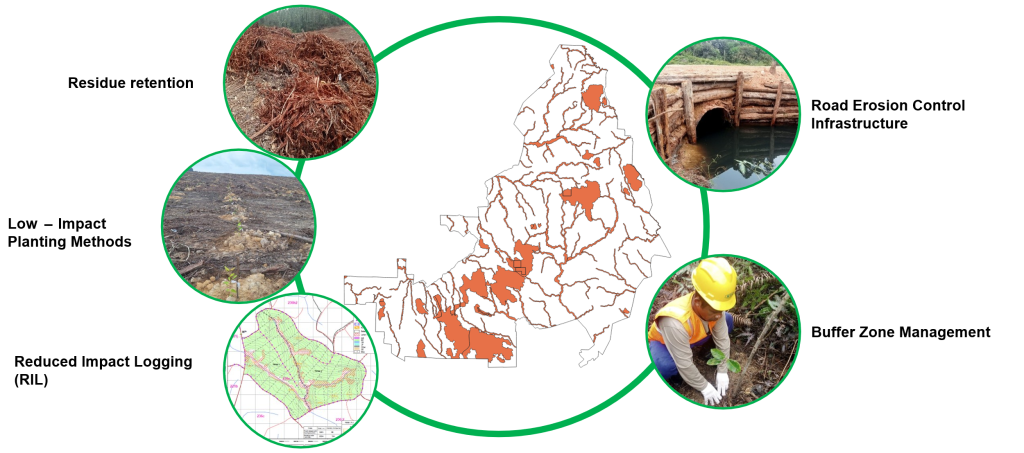
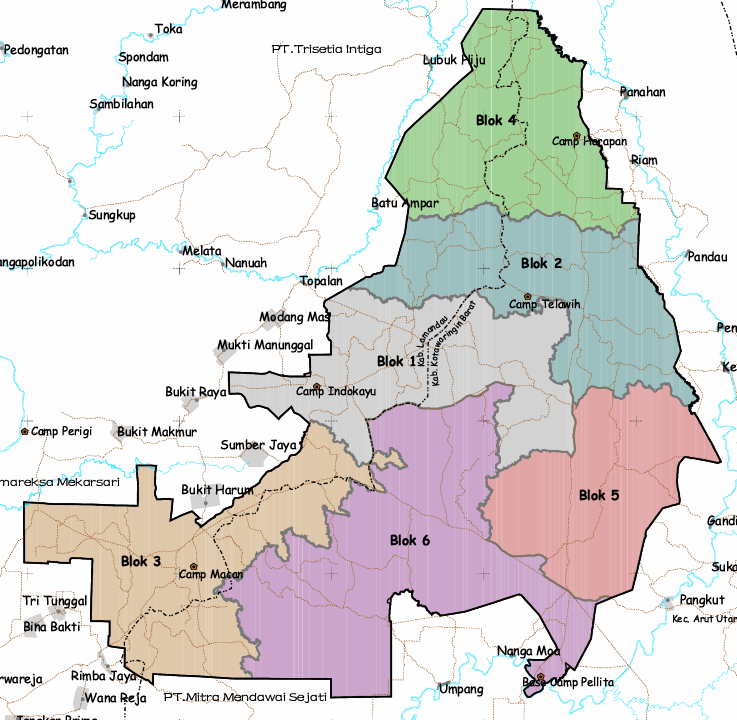
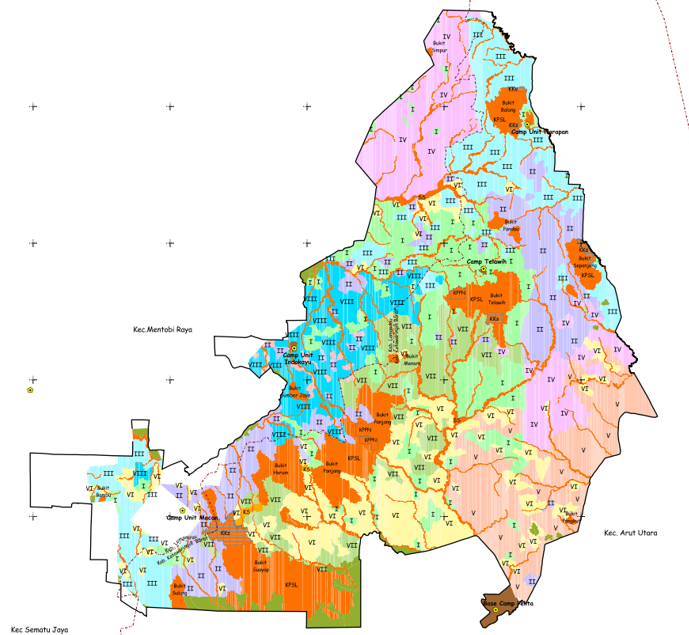
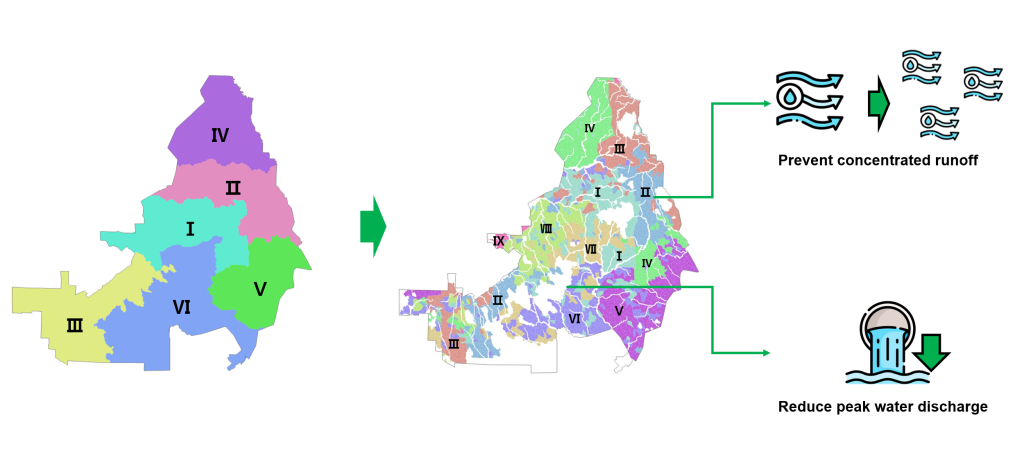
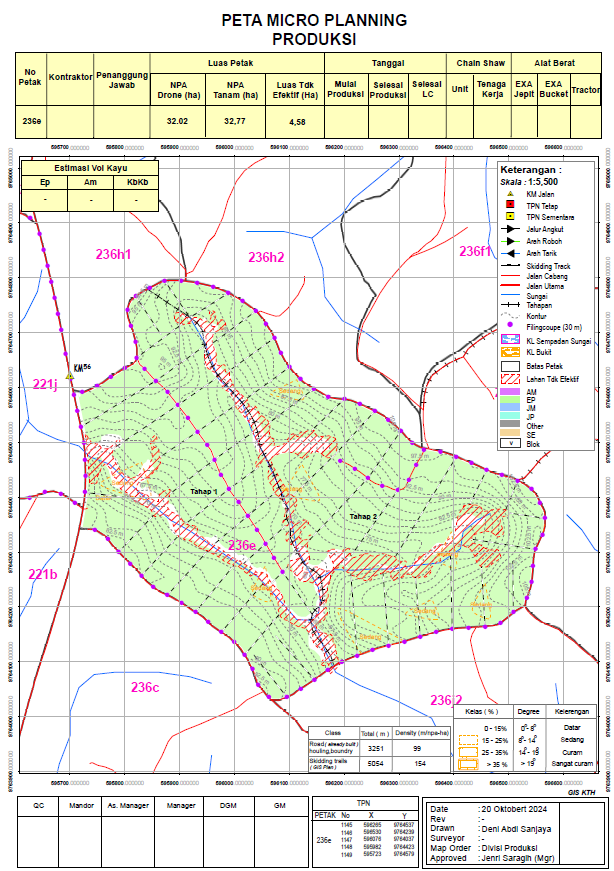
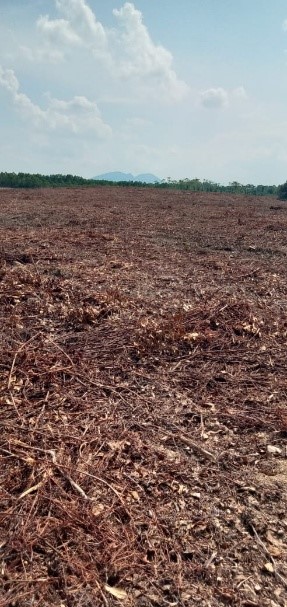
KTH reduces and spatially distributes operational areas to avoid large-scale simultaneous disturbances. By managing plantation blocks across the landscape, we help prevent concentrated runoff and reduce peak water discharge during heavy rainfall events.
2. Reduced Impact Logging (RIL)
We implement Reduced Impact Logging techniques to minimize soil disturbance and compaction. Carefully planned harvesting routes and controlled machinery use help maintain soil structure, allowing better water infiltration and reducing erosion.
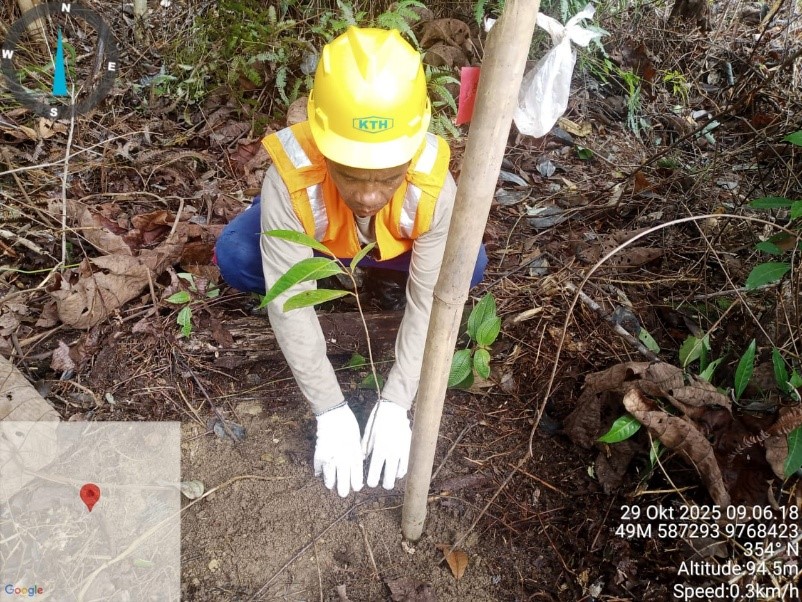
3. Low-Impact Planting Methods
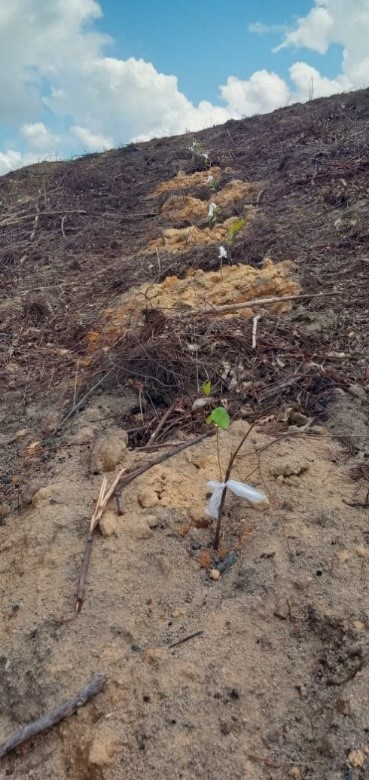
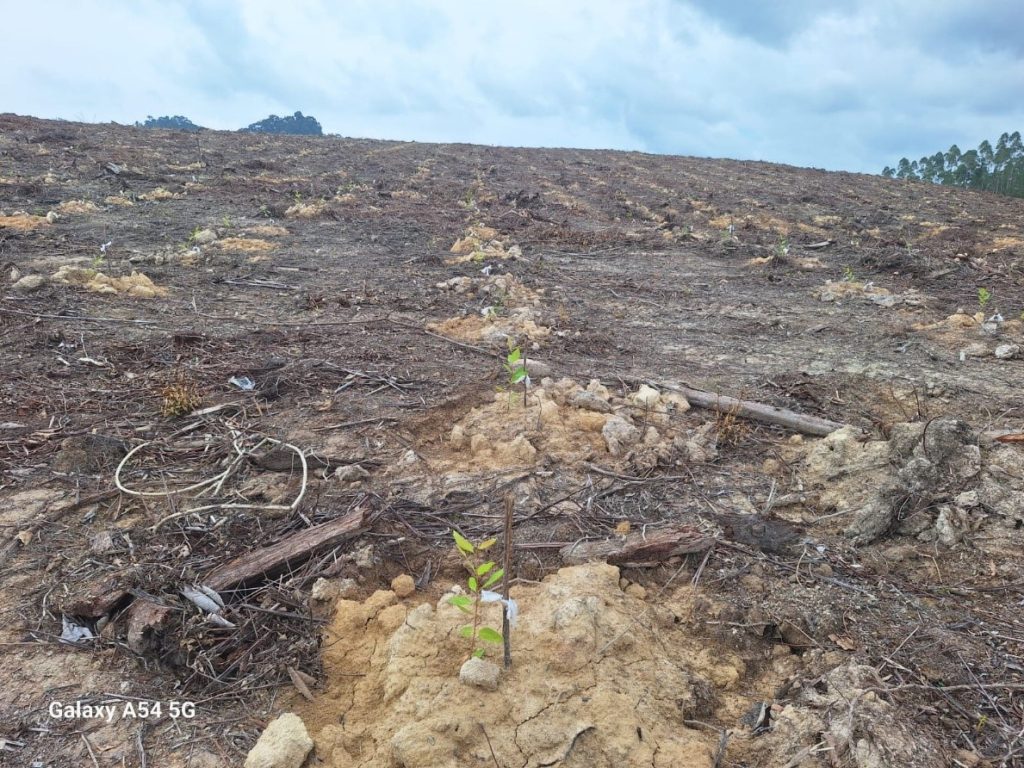
Instead of full-scale land disturbance, KTH adopts targeted planting techniques using mini excavators. This approach:
- Reduces soil compaction
- Preserves natural soil structure
- Improves infiltration capacity
- Minimizes surface runoff and soil loss
4. Residue Retention and Organic Matter Enhancement
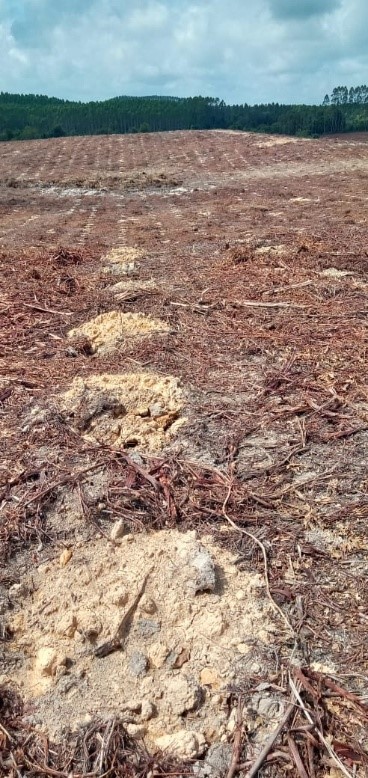
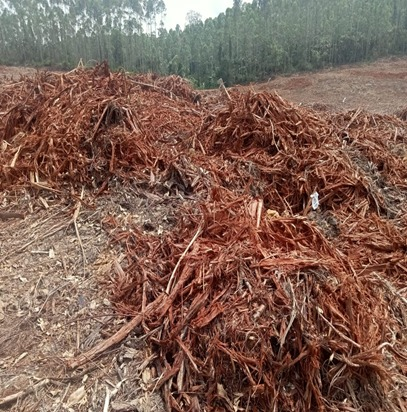
KTH increases on-site debarking and retains harvest residues within plantation areas. These organic materials act as natural mulch, providing multiple environmental benefits:
- Reducing raindrop impact on soil
- Slowing surface water flow
- Enhancing soil moisture retention
- Decreasing sediment transport
5. Rapid Replanting and Integrated Harvesting–Planting System
KTH recognizes that the duration of exposed bare land following harvesting is a critical factor influencing soil erosion and sediment runoff. Prolonged periods of bare soil significantly increase vulnerability to rainfall impact, surface runoff, and soil loss.
To minimize this risk, KTH has implemented an integrated full-package system in which harvesting contractors are responsible not only for timber production but also for subsequent planting operations within the same operational framework.
This approach enables:
- Minimization of the time gap between harvesting and replanting
- Rapid establishment of vegetation cover to protect soil surfaces
- Reduction of raindrop impact and surface runoff
- Early root development, enhancing soil stabilization
As a result, KTH significantly reduces the period during which soil is exposed and highly susceptible to erosion, thereby lowering sediment transport and flood risk at the landscape level.
6. Forest Road Management for Flood Prevention and Erosion Control
KTH recognizes that forest roads are one of the most critical factors influencing surface runoff and sediment transport. Improperly managed roads can concentrate water flow, accelerate erosion, and significantly increase flood risk.
To address this, KTH is strengthening its forest road management as a core component of flood prevention through the following measures:
- Run-off Control and Drainage Optimization
- Installation and maintenance of side ditches and cross drains to prevent water accumulation on road surfaces
- Use of frequent drainage intervals to disperse runoff before it concentrates
- Application of rolling dips and water bars on sloped roads to break water flow
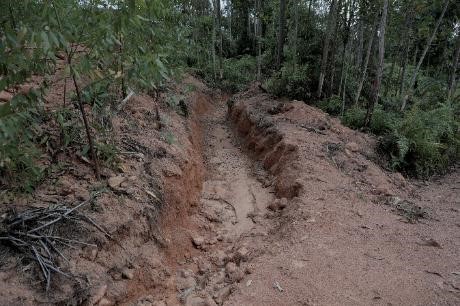
Side ditches
- Sediment Control Structures
- Installation of sediment traps along drainage lines
- Construction of check dams in high-risk runoff channels
- Use of temporary silt fences or fiber barriers in exposed areas
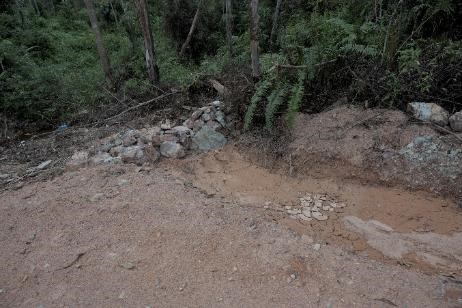
Check dam
- Road Surface and Slope Stabilization
- Application of graveling or surface reinforcement where necessary
- Protection of drainage outlets using riprap or vegetation
- Stabilization of cut and fill slopes using vegetation or bioengineering techniques
Hydrological Disconnection Strategy
- Designing roads to avoid direct connectivity between road drainage and natural streams
- Directing runoff into vegetated buffer zones before entering waterways
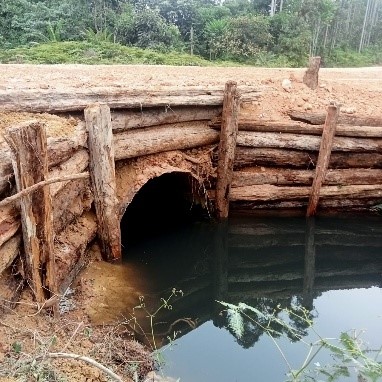
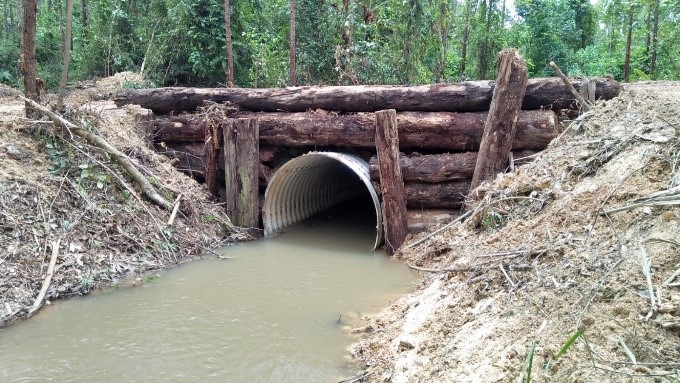
Cross drains
- Routine Inspection and Maintenance
- Regular inspection of drainage systems, especially before and during rainy seasons
- Immediate repair of blocked drains, damaged structures, or eroded sections
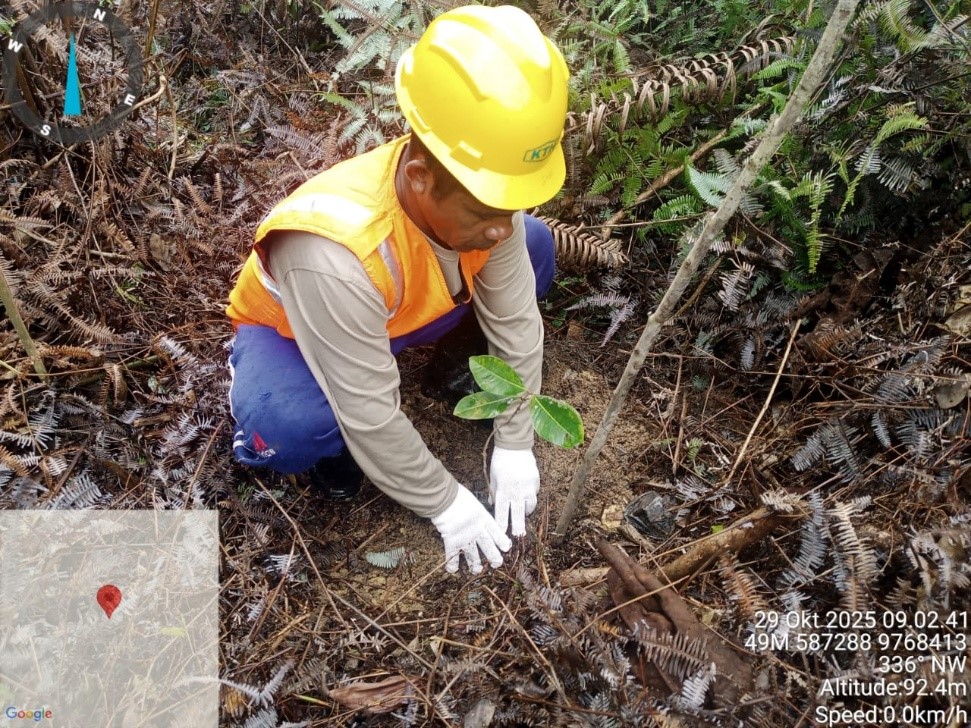
7. Buffer Zone Management and Vegetation Restoration
KTH designates buffer zones along rivers, excluding these areas from harvesting activities and focusing on vegetation restoration to strengthen forest functions. These buffer zones serve as a critical natural infrastructure, providing multiple environmental benefits:
- Preventing direct sediment inflow into river systems
- Mitigating soil erosion through the structural reinforcement of roots
- Regulating water flow by enhancing natural storage and retention capacity
Environmental Impact
Through these practices, KTH aims to achieve:
- Reduced surface runoff and delayed peak flow
- Improved soil infiltration and water retention
- Significant reduction in soil erosion and sedimentation
- Lower flood risk for surrounding communities
Our Approach
KTH’s flood prevention strategy is based on a holistic understanding that:
Sustainable forest management is not only about trees, but also about water, soil, and people.
By integrating plantation operations with landscape-level water management, KTH continues to strengthen its role as a responsible forestry company committed to environmental stewardship and community well-being.
Looking Ahead
KTH will continue to enhance its practices through:
- Data-driven environmental monitoring
- Continuous improvement of road drainage and erosion control systems
- Collaboration with local communities
- Adoption of innovative forest management technologies
Our goal is to build a resilient plantation system that supports both economic productivity and long-term environmental sustainability.