WEST KOTAWARINGIN – Through its CSR and village partnership program, Korintiga Hutani (KTH) manages production forests sustainably while also driving community-based tourism in West Kotawaringin, Central Kalimantan.
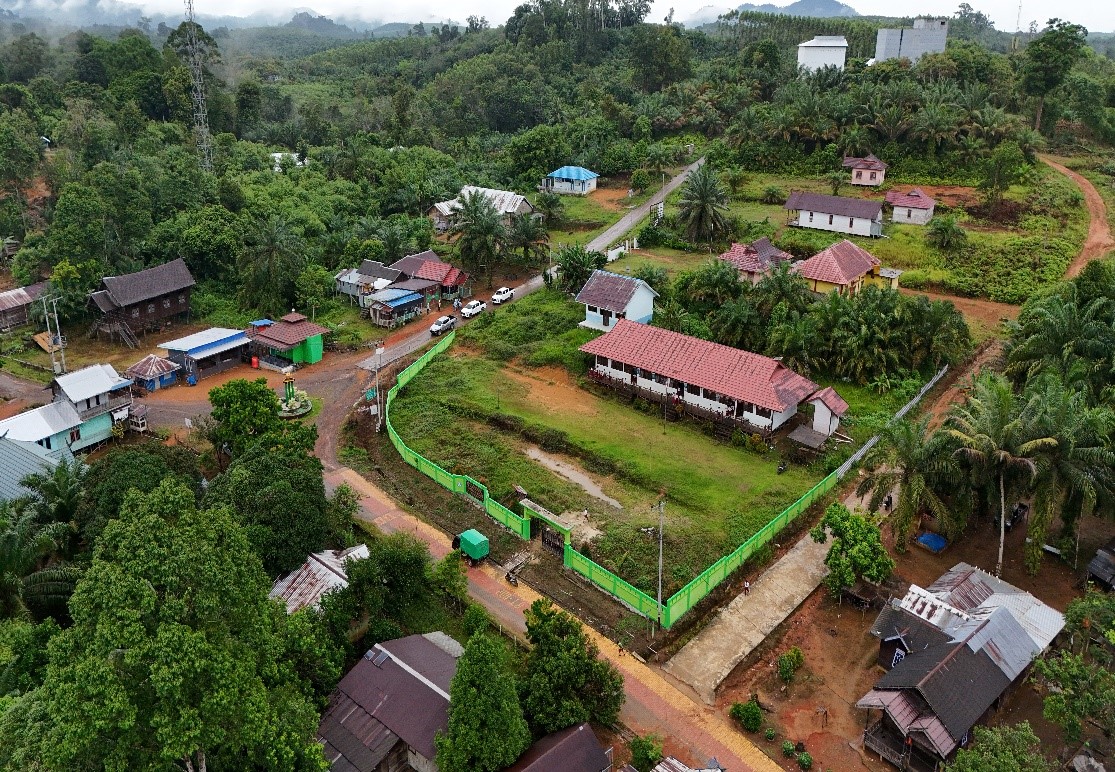
In Riam Village, for instance, efforts are being made to protect a natural landmark called Bukit Balang (Balang Hill) through agritourism. Together with the locals, KTH has developed a deal to sustain both the vegetation and rural livelihoods.
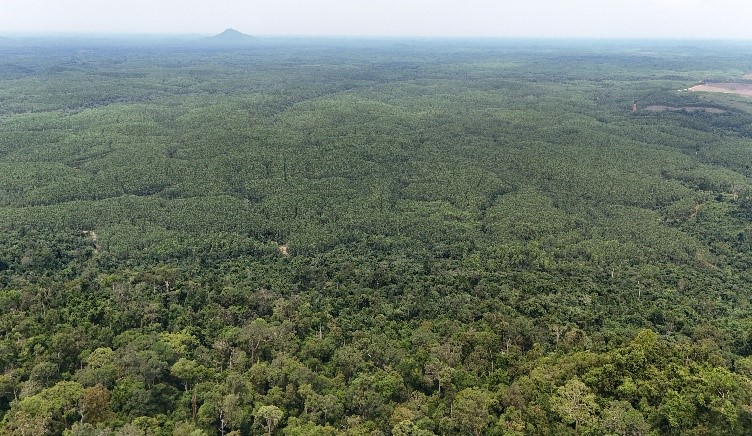
Erwansyah Ardi, KTHs PR and forest community empowerment manager, explained, “There’s a place called Balang Hill, which grows multiple kinds of durians and was [also] part of our concession area. [Now that the concession agreement ended,] we made a MoU to save the trees.”
Unlike other varieties, Balang-grown durians are distinct in taste and smell. Their unique qualities have brought in foodies from across the island and beyond; harvest seasons now see regency officials and neighboring tourists sampling Kalimantan-endemic cultivars like Getar Bumi.
During these times, Korintiga Hutani is helping with the technical side of things: improving road access, creating tourist huts and rest areas, building basic facilities (e.g. portable toilets), and the like.
“We recorded around 600 visitors last year. That’s when we went all out on promotions, and we started that in May. Korintiga Hutani was involved [in the process.] [We trusted them] with parking lot construction and opening access to the lot,” said Riam village leader Dedy Simson.
Besides farm tourism, Riam Village is well known for its “riam” or natural waterfall. Travelers can climb to the crest and trace the pool beneath while basking in the exotic view of their surroundings – giving them an enjoyable adventure and an unforgettable experience.
Meanwhile, religious sites and ancestral rites reflect Riam’s rich cultural value. The structures and traditions, which still exist today, present opportunities for cultural and faith-based tours, whose demand is growing globally.
Moving further up the map, we find another village supported by Korintiga Hutani. Panahan offers exciting river trekking activities, with calm streams and pristine landscape making a great eco-tourist spot.
Like in Riam and Panahan, local tourism grows and becomes sustainable with private support. KTH’s work demonstrates that company-community partnerships encourage conservation while also improving tourism-based economies. (PR)